A Beginner's Guide to DSLR Photography: Tips from a Pro


Understanding Your DSLR
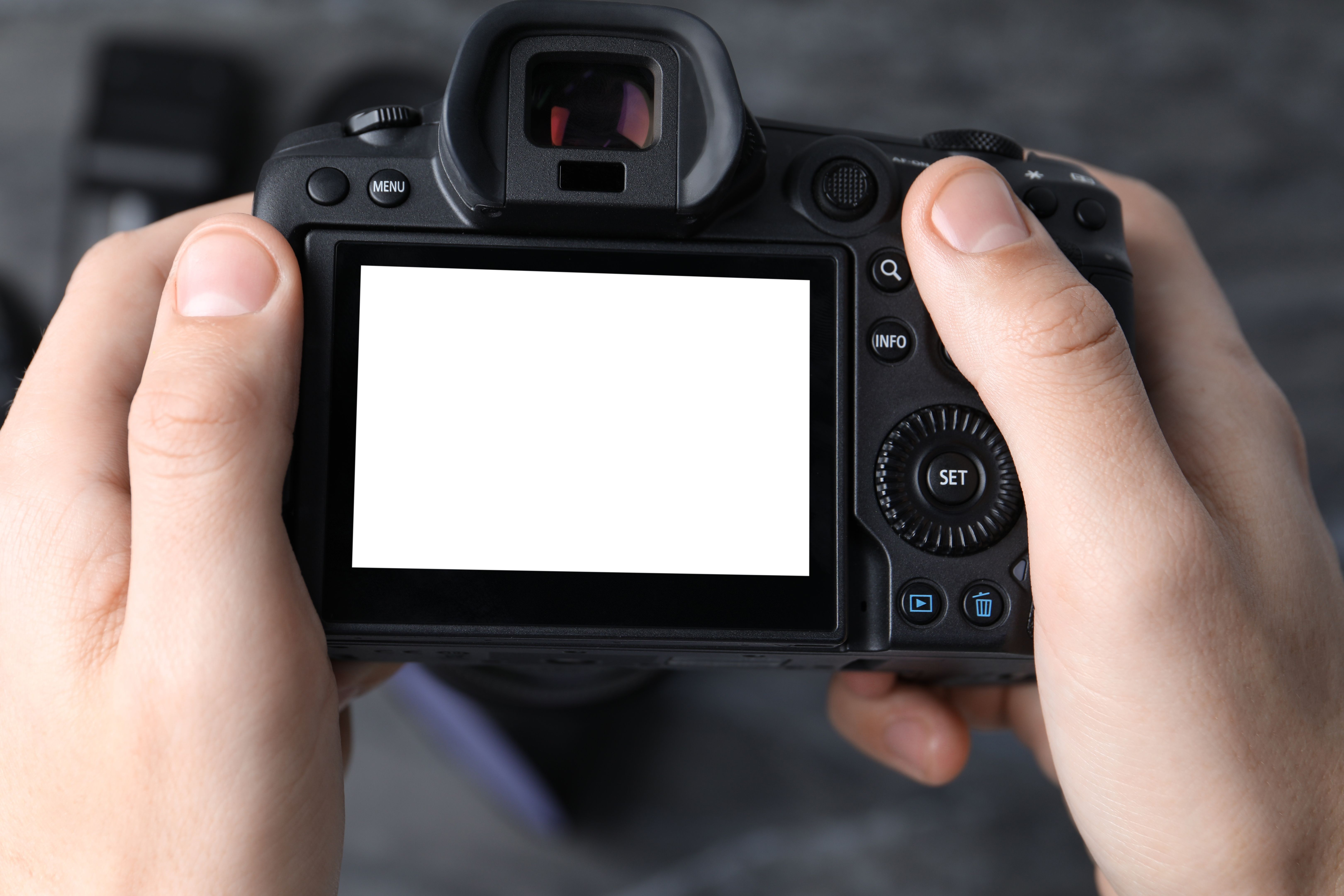
Starting with DSLR photography can be both exciting and overwhelming. Your DSLR camera is a powerful tool that offers numerous features to enhance your photography skills. Understanding your camera's settings is crucial to capturing stunning images. Focus on learning the basic functions like aperture, shutter speed, and ISO to get started.
The aperture controls the depth of field and amount of light that enters the camera. A lower f-number means a larger aperture, allowing more light in. This is great for achieving a blurred background effect. The shutter speed determines how long the shutter remains open. Faster speeds freeze motion, while slower speeds can create motion blur, perfect for light trails or flowing water.
Mastering Exposure
Exposure is a critical element in photography. It is influenced by aperture, shutter speed, and ISO settings. The ISO setting controls the camera's sensitivity to light. A lower ISO is ideal for bright conditions, while a higher ISO is suitable for low light. However, increasing the ISO can introduce noise into your images.
Experimenting with the exposure triangle—aperture, shutter speed, and ISO—will help you understand how these elements work together. Practice adjusting each setting and observe the changes in your photos. This hands-on approach is invaluable for mastering exposure.
Focusing Techniques
Achieving sharp focus is essential for any photographer. There are different focusing modes available in DSLRs, such as single-point AF, dynamic-area AF, and auto-area AF. Single-point AF is excellent for static subjects, while dynamic-area AF can be useful for moving subjects.
Additionally, learning to use manual focus can enhance your skills, especially in challenging lighting conditions. Practice switching between autofocus and manual focus to understand when each is most effective.
Composing the Perfect Shot
Composition is key to creating visually appealing photographs. The rule of thirds is a classic guideline that suggests dividing your frame into a 3x3 grid and placing your subject along these lines or intersections. This creates balance and interest in your shots.
Don't be afraid to experiment with different angles and perspectives. Sometimes, breaking traditional rules can result in unique and captivating images. Explore your environment and find new ways to frame your subjects.
Utilizing Lighting
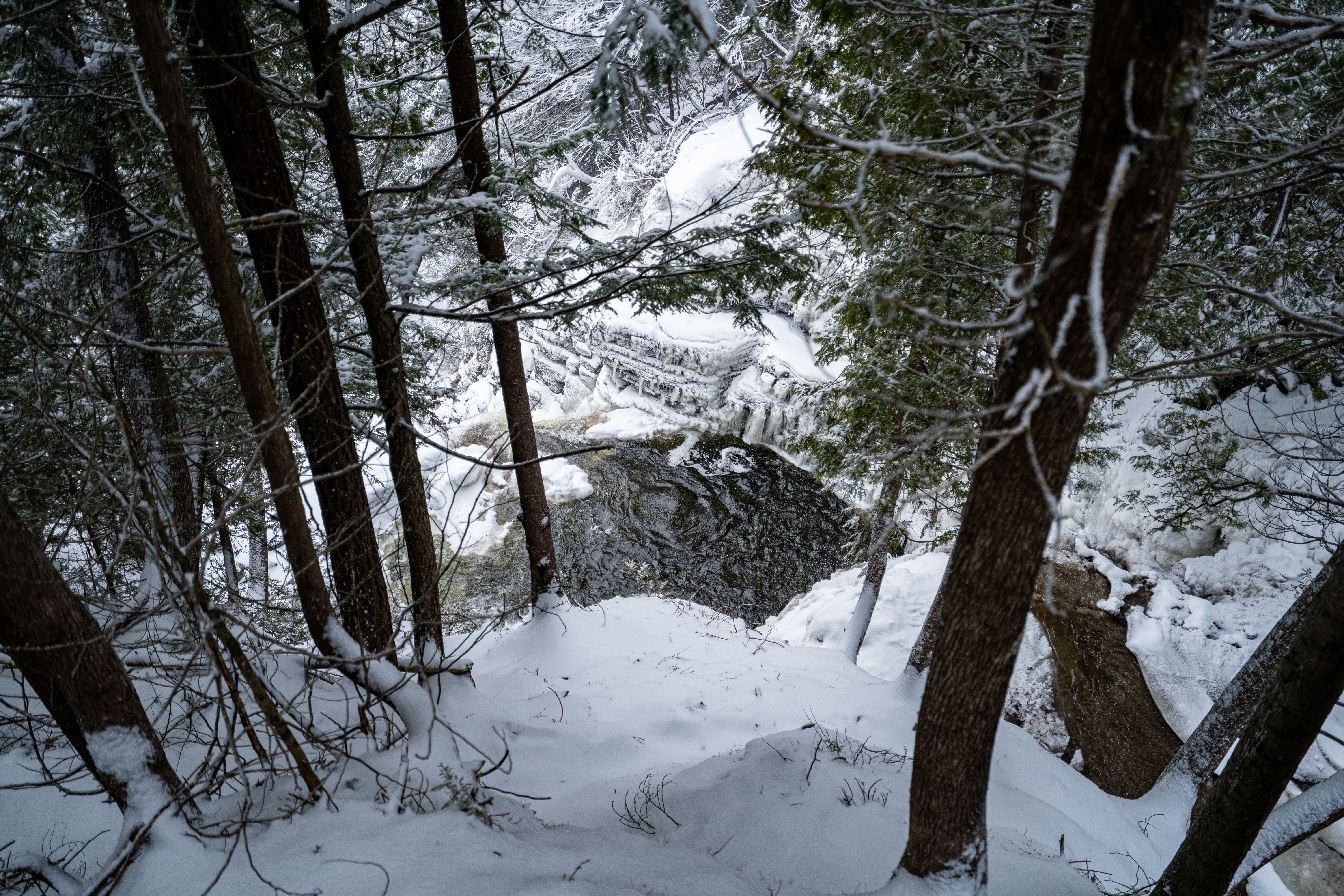
Lighting can dramatically change the mood and quality of your photographs. Natural light is often the best choice, so try shooting during the golden hours—shortly after sunrise or before sunset. These times offer soft and warm lighting, ideal for most subjects.
If natural light isn't available, learn to work with artificial lighting. Understanding how to use reflectors, diffusers, and external flashes can significantly enhance your images. Experiment with different lighting setups to discover what works best for your style.
Post-Processing Tips
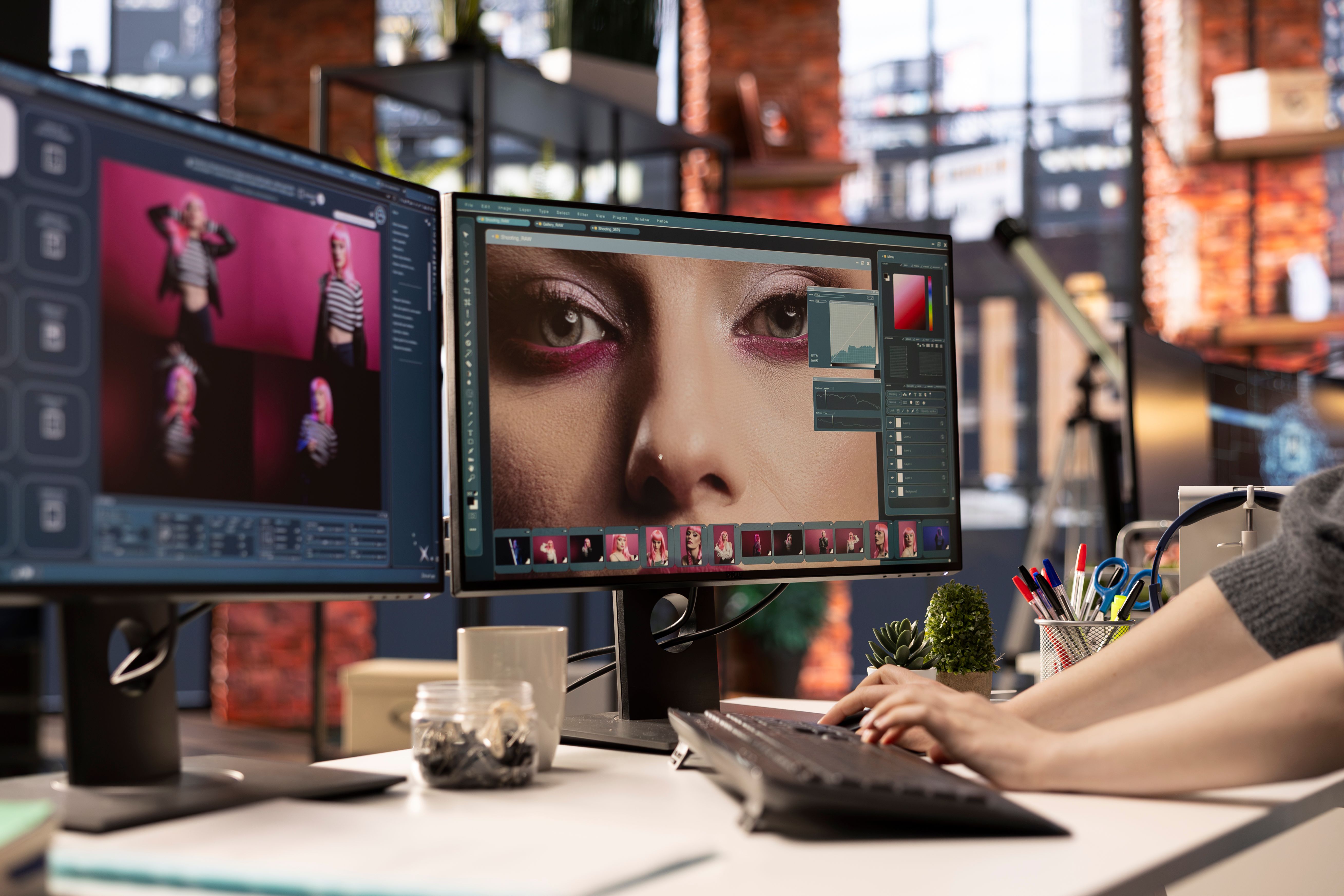
Post-processing is an important step in digital photography. Editing software like Adobe Lightroom or Photoshop can help you enhance your photos by adjusting exposure, contrast, and color balance. However, it's important to maintain the integrity of your images and avoid over-editing.
Start with basic adjustments and gradually explore more advanced techniques as you become comfortable. Post-processing should enhance your photos, not completely transform them.
Remember, the key to becoming proficient in DSLR photography is practice and experimentation. Keep shooting, trying new techniques, and learning from your experiences. With time and dedication, you'll see significant improvement in your skills.