Capturing the Perfect Shot: Professional Tips for Stunning Photos


Photography is an art form that allows us to capture moments and emotions in a single frame. Whether you're a budding photographer or a seasoned pro, understanding the techniques for capturing the perfect shot is crucial. Here are some professional tips to elevate your photography skills and produce stunning images.
Understanding Your Equipment
Before you start shooting, it's essential to become familiar with your camera and its settings. Whether you're using a DSLR, mirrorless camera, or even a smartphone, knowing how to adjust settings like aperture, shutter speed, and ISO can make a significant difference in your photos.
Spend some time reading the manual and experimenting with different settings. Practice using manual mode to gain more control over your shots and expand your creative possibilities.
Lens Selection
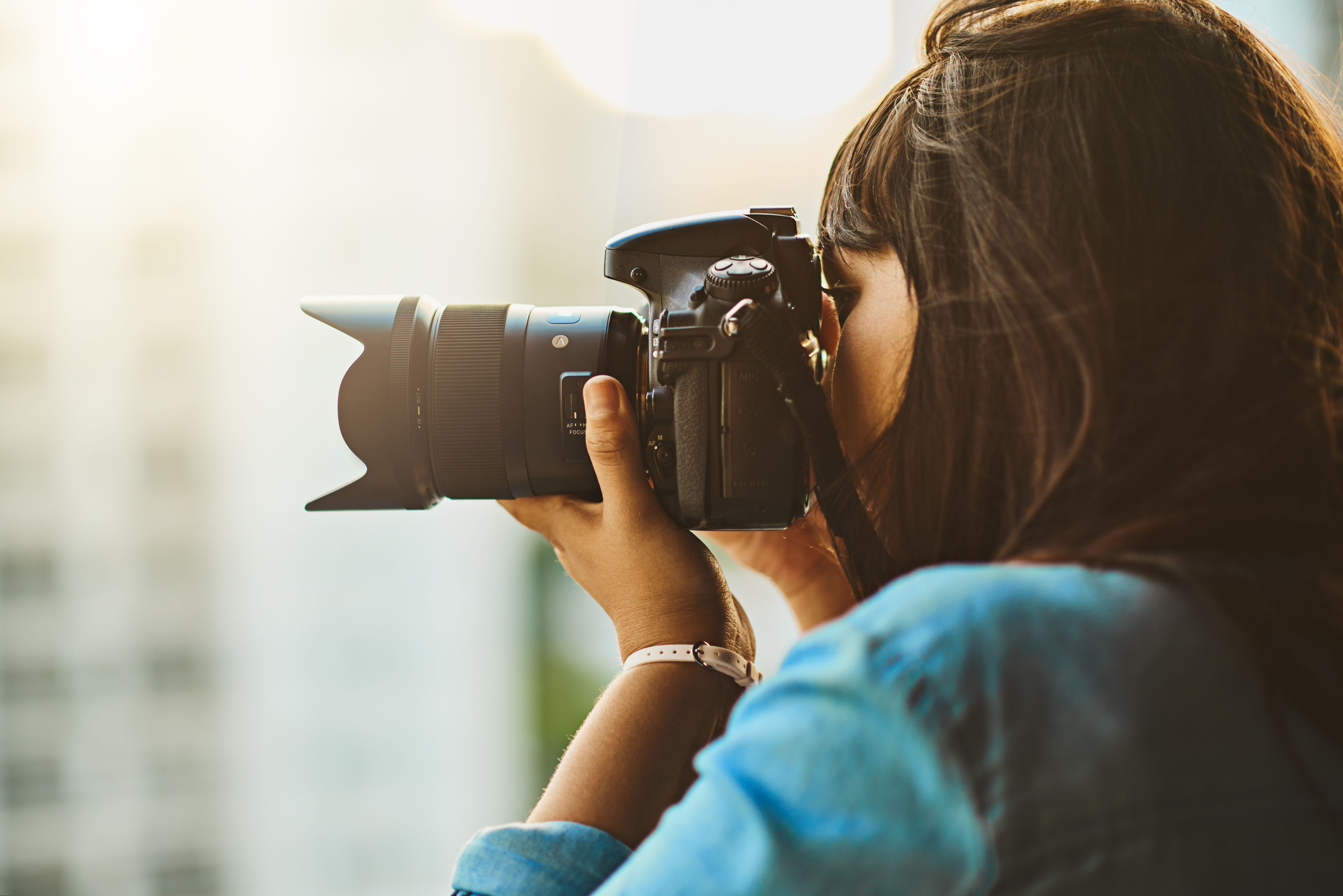
The lens you choose can have a profound impact on the composition and quality of your photos. Wide-angle lenses are perfect for landscapes, while telephoto lenses excel in capturing distant subjects or wildlife. Prime lenses, with their fixed focal lengths, often offer superior sharpness and depth of field.
Investing in a good quality lens can be more beneficial than upgrading your camera body. It’s a worthwhile investment that can significantly enhance your photography.
Mastering Composition
Composition is key to creating visually appealing photographs. The rule of thirds is a fundamental principle where you divide your frame into nine equal parts and place the subject along these lines or their intersections. This technique helps create balanced and engaging images.
Leading Lines
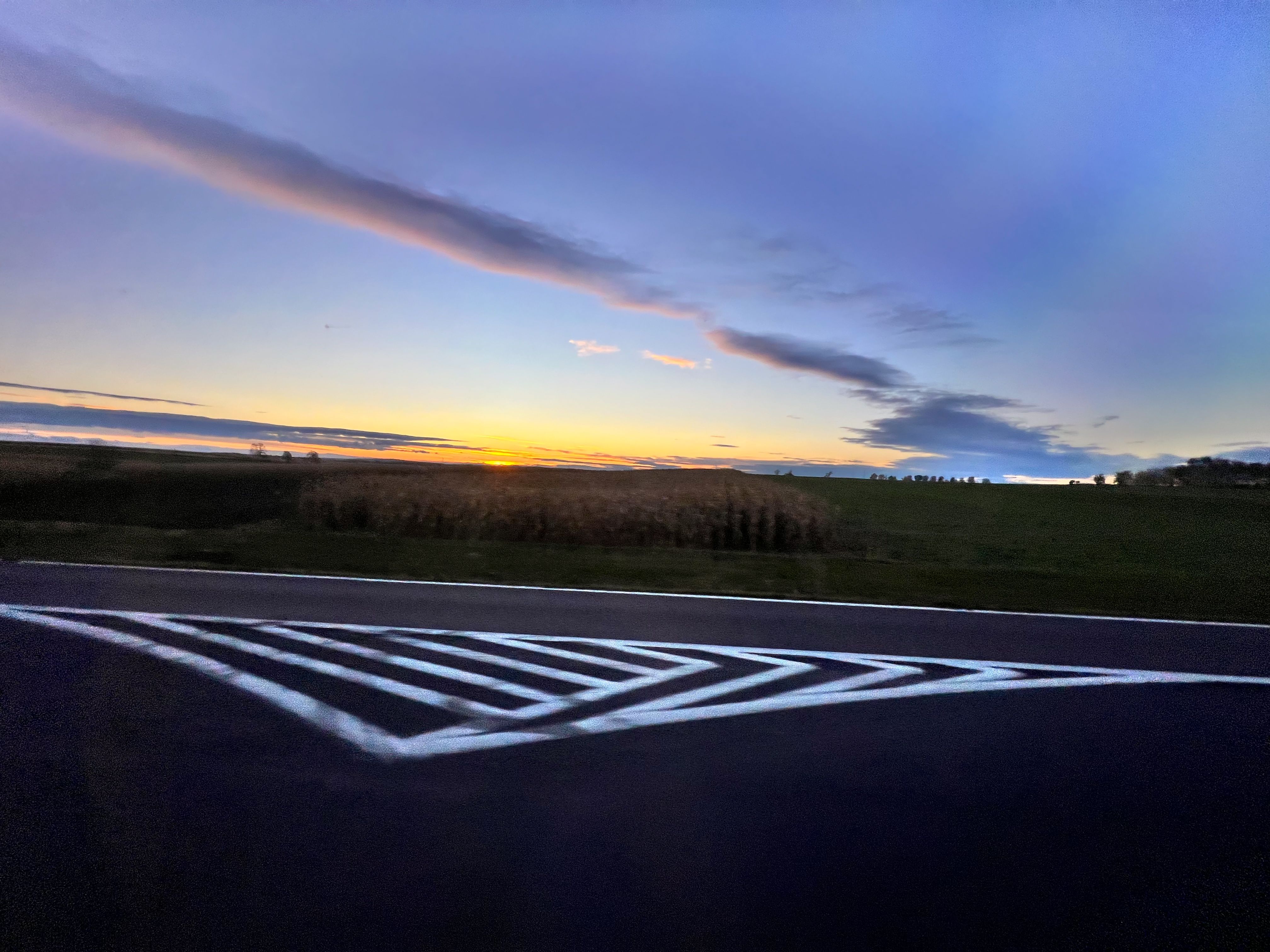
Utilize leading lines to guide the viewer's eye through your photo. Roads, bridges, or even shadows can serve as paths that draw attention to the main subject. This technique adds depth and interest to your images.
Framing
Look for natural frames within your environment, such as windows, arches, or branches. Framing your subject can add context and layers to your photo, making it more dynamic and compelling.
Lighting Techniques
Lighting can make or break a photograph. Natural light is often the best source, with golden hour—shortly after sunrise or before sunset—being the optimal time for soft, warm lighting.

Artificial Lighting
When natural light is not available, mastering artificial lighting techniques is essential. Use reflectors, diffusers, or external flashes to manipulate light and reduce harsh shadows. Experimenting with these tools can help you achieve the perfect lighting for any situation.
Remember, the key to capturing stunning photos is practice and experimentation. By understanding your equipment, mastering composition, and using lighting effectively, you'll be well on your way to taking breathtaking images that captivate and inspire.